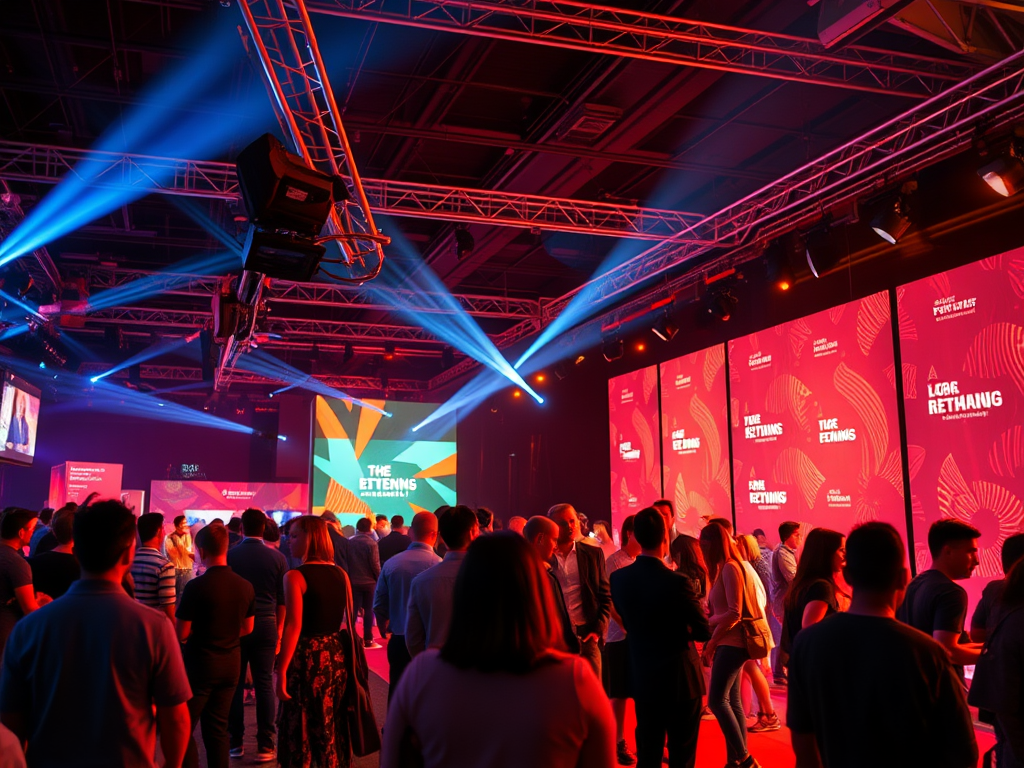
The events management industry is often associated with creativity and spectacle, but behind every successful event lies careful planning, disciplined execution, and a deep understanding of brand storytelling. Insights from events entrepreneur Ong Yong Wei highlight several valuable lessons for founders and marketers seeking to create memorable experiences that connect brands with people.
One of the most important lessons is that experiences shape how people perceive brands. While traditional advertising communicates messages, live events allow audiences to immerse themselves in a brand environment. Through physical interaction, atmosphere, and storytelling, events can create strong emotional impressions that remain with participants long after the event ends. This belief inspired the creation of an events company focused on transforming marketing ideas into real world experiences.
Another lesson is the balance between creativity and commercial discipline. In the early days of the business, bold creative ideas sometimes needed to be moderated to align with client expectations and budgets. Event production can involve complex setups and significant costs, especially in markets like Singapore. Successful founders therefore learn to combine imagination with practical planning so that creative concepts remain viable for clients.
Credibility also plays a major role in building an events business. For new companies, potential clients may hesitate to trust agencies that lack a long track record. Building credibility often requires demonstrating reliability under tight timelines and consistently delivering quality results. Over time, successful projects help establish reputation and open doors to new opportunities.
Leadership is equally important in an industry where events unfold live and unexpected issues can arise. When challenges occur, the first priority is immediate problem solving rather than assigning blame. Calm leadership helps teams stay focused and ensures that problems are resolved quickly without disrupting the overall experience.
Finally, meaningful event design begins with understanding the brand and its audience. Before developing creative ideas, it is essential to clarify the event’s objectives, identify the target audience, and determine how success will be measured. Engagement levels, audience feedback, and organic social sharing often reveal whether an event has truly resonated.
Ultimately, the lessons from the events industry show that successful experiences are not built on creativity alone. They emerge when creativity, strategy, and operational precision work together to bring a brand story to life.
Read Yong Wei’s full interview.
 Ideas, Lessons, and Perspectives from Singapore’s Visionaries.
Leave a comment